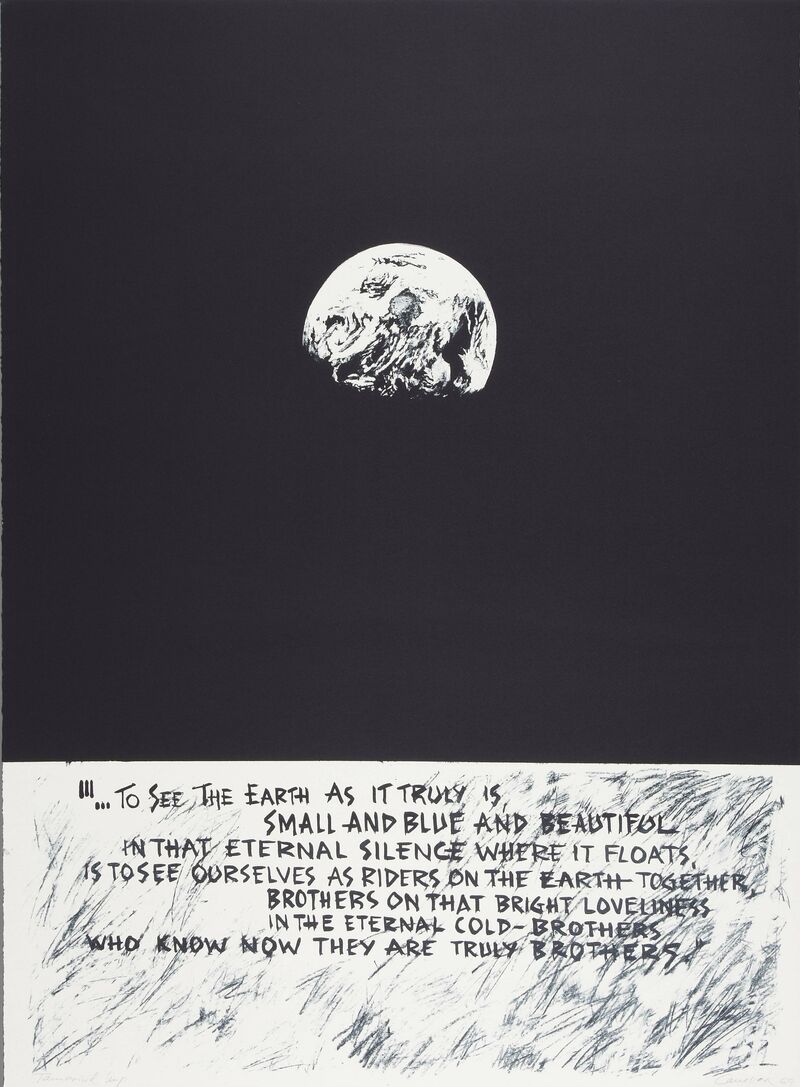
Norton Simon Museum, Anonymous Gift, © Rafael Canogar
Rafael Canogar (Spanish, b. 1935), The Earth 1, 1969, Lithograph 30 x 22 in. (76.2 x 55.9 cm),


The close relationship between language and image is familiar to the media and advertising industries. But the early avant-garde used this phenomenon in much more abstract and artistic ways. Beginning August 11, the Norton Simon Museum invites visitors to take a closer look at selected images from its collection.
Most people would undoubtedly classify the act of reading as more »intellectual« than directly looking at a painting. Some twentieth-century artists, such as Pablo Picasso, Liubov Popova, Ed Ruscha, and John Cage, embraced this very process of discernment-translating language into a pictorial form that demands to be read. The Norton Simon Museum in Pasadena, California, is highlighting just such collection items in the exhibition Word as Image, which opens August 11. They underscore the importance of legibility in the creation of a text and, more importantly, in its exploration. Both prominent and lesser-known positions from movements such as Cubism, Pop Art, and Conceptual Art explore the boundaries between image and language.
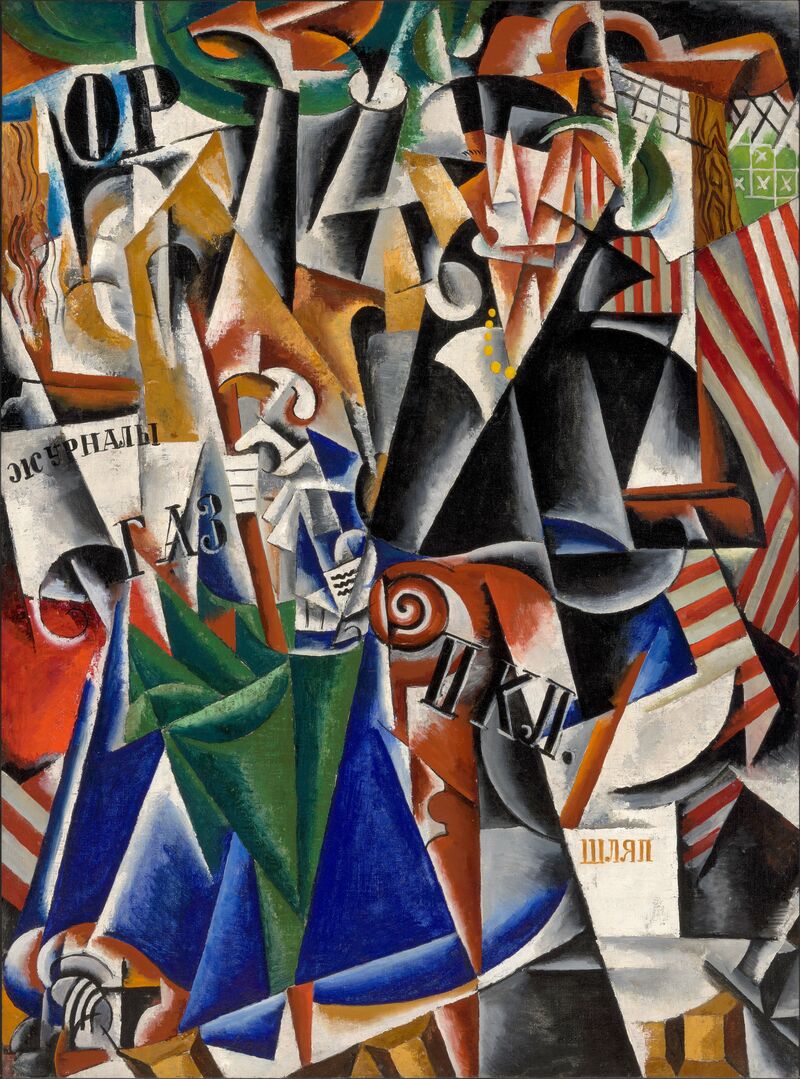
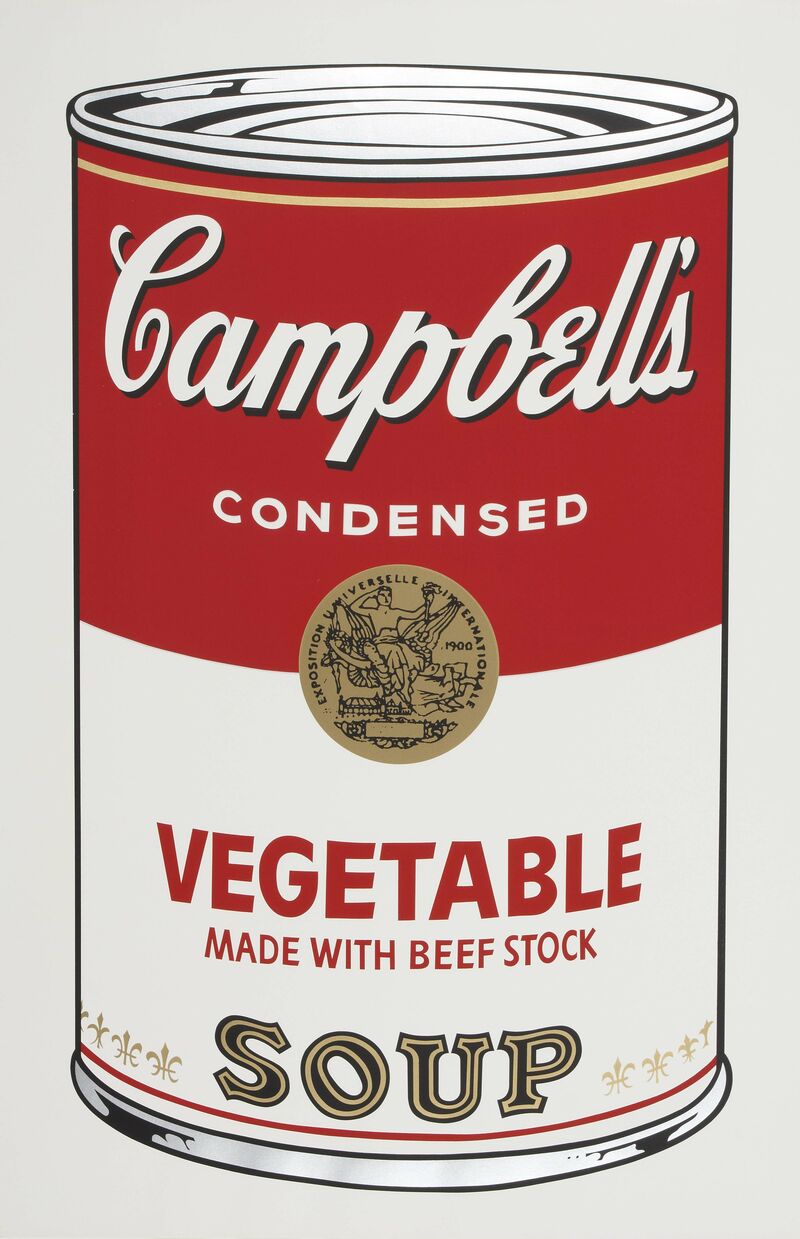
The exhibition unravels the history of the interdisciplinary approach: At the beginning of the last century, for example, the avant-garde first claimed words and letters as a means of expression for art - mixing the images to be read with the real world. Examples include Picasso's drypoint etching Still Life with Bottle of Marc (Nature morte à la bouteille de marc, 1911) and Popova's painting The Traveler (1915), both of which contain fragmented text. This was followed by the Pop Art and Conceptual Art styles that were vibrant in experimental New York at the time. These artists responded critically to their surroundings by reinventing visual forms or painting over billboards with graffiti. At the time, luminaries like Andy Warhol used the language as an artistic inside joke. His famous Campbell's Soup series (Museum Edition: 1968), which merged art and advertising by using graphic mass production, is a testament to this.
The exhibition Word as Image encourages visitors to think about how they constantly »read the image« outside of museum spaces. Through January 8, 2024, they will have the opportunity to look at language and image in a new way and to perceive words as an essential part of visual culture.
The Käthe Kollwitz Museum presents the sensitive side of the artist through rarely seen drawings and trial prints: Käthe Kollwitz – Silent Strength runs until January 18, 2026, in Berlin.
Everyday scenes, dance events, and changing youth cultures: In the exhibition Ideas of Africa: Portraiture and Political Imagination, the Museum of Modern Art explores how portrait photography influenced pan-African trends. The exhibition runs until July 25, 2026, in New York.


